by Bloody Holly
One of the most common complaints about pop culture that I’ve heard in my time is, “They just don’t make them like they used to.” Music usually tends to bear the brunt of that burden, but in a digital era where everything is much more easy to self-produce while the mainstream remains oversaturated with its own tropes, I’ve started to see this sentiment blend in elsewhere, as well.
Makes sense–when you listen back to classic radio, read classic literature, or watch something on Turner Classic movies (is that still a thing?), you’re fed the media that’s lasted the test of time, but looking through the rose colored glasses that filter out all the throwaway garbage that got released and subsequently forgotten about. For example, “Disco Duck.” That song was a hit when it was released. We do not like to talk about it today.
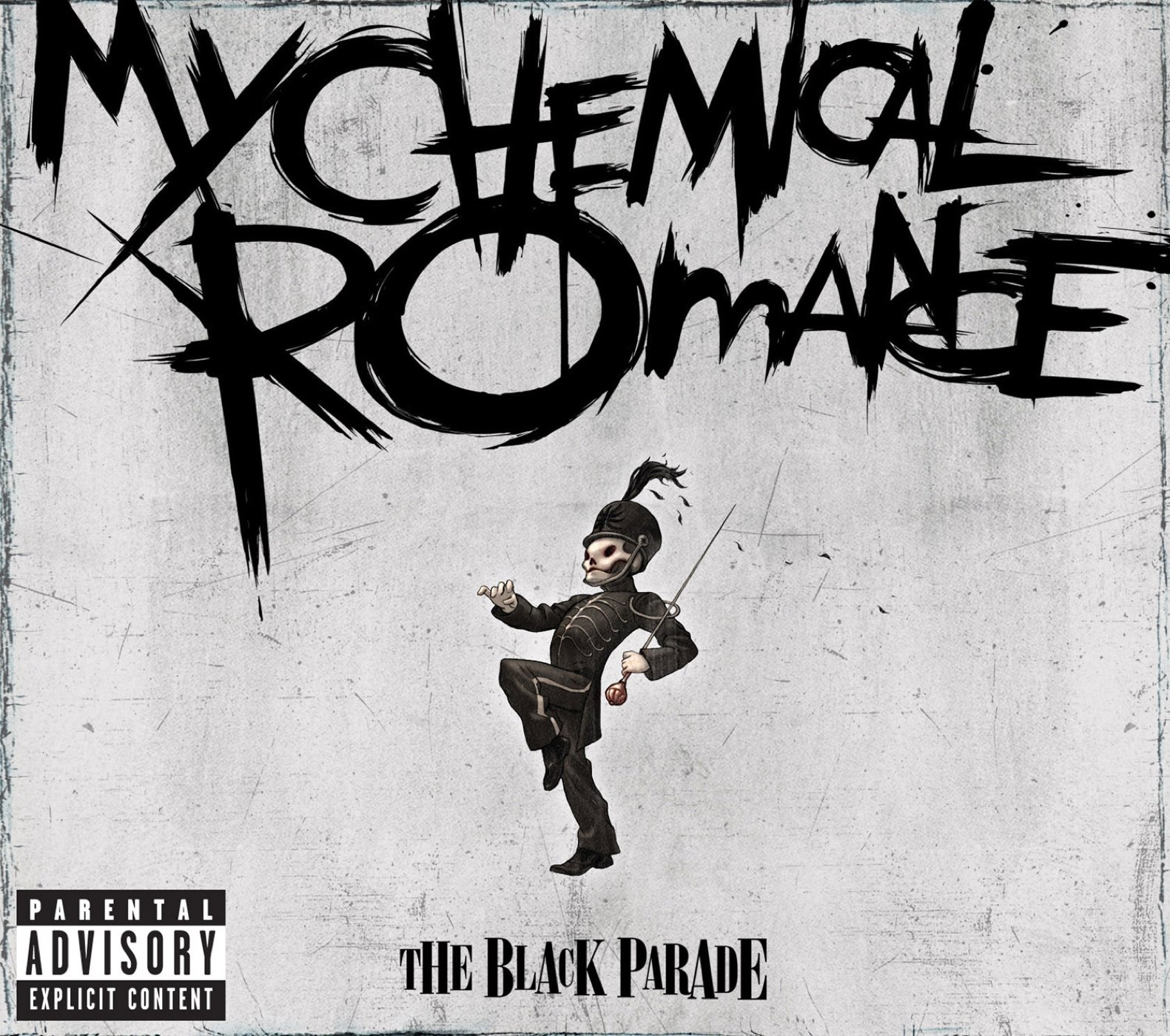
As a millennial on the younger side, I kind of get it, too. Growing up, the internet was still a luxury item where certain folks could get on forums and chat about their favorite media, at least until a phone call annihilated their connection. As an adolescent, most of the music I found was watching MTV & VH1 videos in the morning before school, a lot of it with mixed results. Bands of my era like Fall Out Boy, Panic at the Disco, and The Used blew up because of a music video that got play after play during those blocks, or after school on Total Request Live. Hell, I even remember catching the first airing of the video for “Helena” by My Chemical Romance and watching them skyrocket from indie darlings to a mainstream staple.
By the time I was in high school, sites like MySpace helped build these scenes, YouTube would host videos whose virality would determine the fate of the stars, and bands were uploading their music to free download sites just to garner an audience. Around this time, sites like Pandora or LastFM were popping up, giving listeners a radio-style streaming playlist (even early Spotify got into this game). As someone who grew up listening to a TON of mainstream radio, this was a game-changer for me. I’d grown sick of hearing the same tracks curated by Clear Channel, and was obsessed with the Guitar Hero & Rock Band games, so I started listening to stations programmed to similar artists like The Replacements, Dinosaur Jr., Mission of Burma, etc. I have some distinct memories of my junior year of high school fighting off insomnia and AP homework while listening to Mercy Rule radio on LastFM, which basically solidified my music taste for the last couple decades.
Then streaming took over, and slowly I began to notice that I wasn’t as passionate as the bands that apps would recommend to me. Even in my early days of having Spotify, I’d discover bands like The Magnetic Fields or The Mountain Goats listening to their own Pandora-style randomizer, but once that went away, I found it harder to find something I related to, and it became way more apparent how much music I had to catch up with. Though occasionally, I’d still find bands that I wanted to listen to through Discover Weekly (a feature that almost exclusively gave me bands I already knew), I wasn’t finding anything that had as much staying power as what I had before. But that’s not to say, “They just don’t make good music anymore.” It speaks to the algorithm and oversaturation more than anything.
Which is why public access and community stations like KZUM are important. While an algorithm might give you material that a bunch of 1’s and 0’s THINK you might like, public access gives a voice to folks with their own unique personalities and tastes who curate their own programs for you. Word-of-mouth has also long since been a staple of finding new music, and now that word-of-mouth is publicly sanctioned. It’s also, unfortunately, another casualty of mass media, the internet, and now politics.
Back to me growing up: another thing I remember is the strange array of public access programming there was. I have significant childhood trauma from watching the reboot of Omaha’s Dr. San Guinary’s Creature Feature when they showed The Brain That Wouldn’t Die, and it shaped my love of horror novels & film. When I was in high school & college without a car that had a working cassette player to play my iPod (which is a very old-fashioned sentence), I got into listening to left of the dial stations like KZUM & KRNU, with both still being my go-to’s now that I’ve de-streaming serviced myself. These unique voices made an impact on me, and my fascination for it still holds up, even as a voice on public access myself.
Something I’ve learned being a programmer on KZUM is truly the importance of having your own voice and sharing it with the public. I don’t think the sentiment of, “They just don’t make it like they used to,” holds up quite as well once you’ve introduced that community. It’s like-minded individuals who are here to share what they love with you, and that’s worth a hell of a lot more than Spotify’s legalized payola playlist scheme. There aren’t many places you can turn to where you’ll hear Celtic folk music, world music, nothing but metal, eclectic folk, dark beats, LGBTQA+-centric music, or genre-hopping variety (Fascination Street, Mondays at 10 PM, shameless plug over). KZUM aims to be a voice for everyone, and you can find out more about all of our programs here and listen to them on our archives.
KZUM’s voice also bleeds over into the community, as well, highlighting the ongoing need for community stations. If you’ve heard our fund drive pitches, we always stress the events we sponsor, such as our Stransky Park Summer Concert Series, Zoofest, the No Coast Roller Derby Sin Bin, and so on; not only are we here to play music, but build up our listeners and constituents and introduce them to something that’s much more rewarding than what you’re given by an algorithm or Clear Channel (or I guess it’s the even dumber current name, iHeart Radio now).
Which brings me to my final point, that it’s not, “They don’t make ‘em like they used to.” It’s that despite the internet connecting us more, we don’t get the face-to-face interaction, or the reward of finding something we really love and sticks with us, or even simply hearing a unique voice when we’re only engaging with our algorithms and not each other. Media consumption has largely become a bastion of insufficient dopamine release, overshadowing the camaraderie of community. Keep getting out there, supporting what you love, and building up that community however you see fit. Like the New Radicals say, “You only get what you give,” and our listeners have given us everything.